I don’t tend to follow Apple’s new product announcements very closely anymore, but yesterday’s announcement that Apple AirPods Pro 2 will be able to act as medical-grade hearing aids interested me.
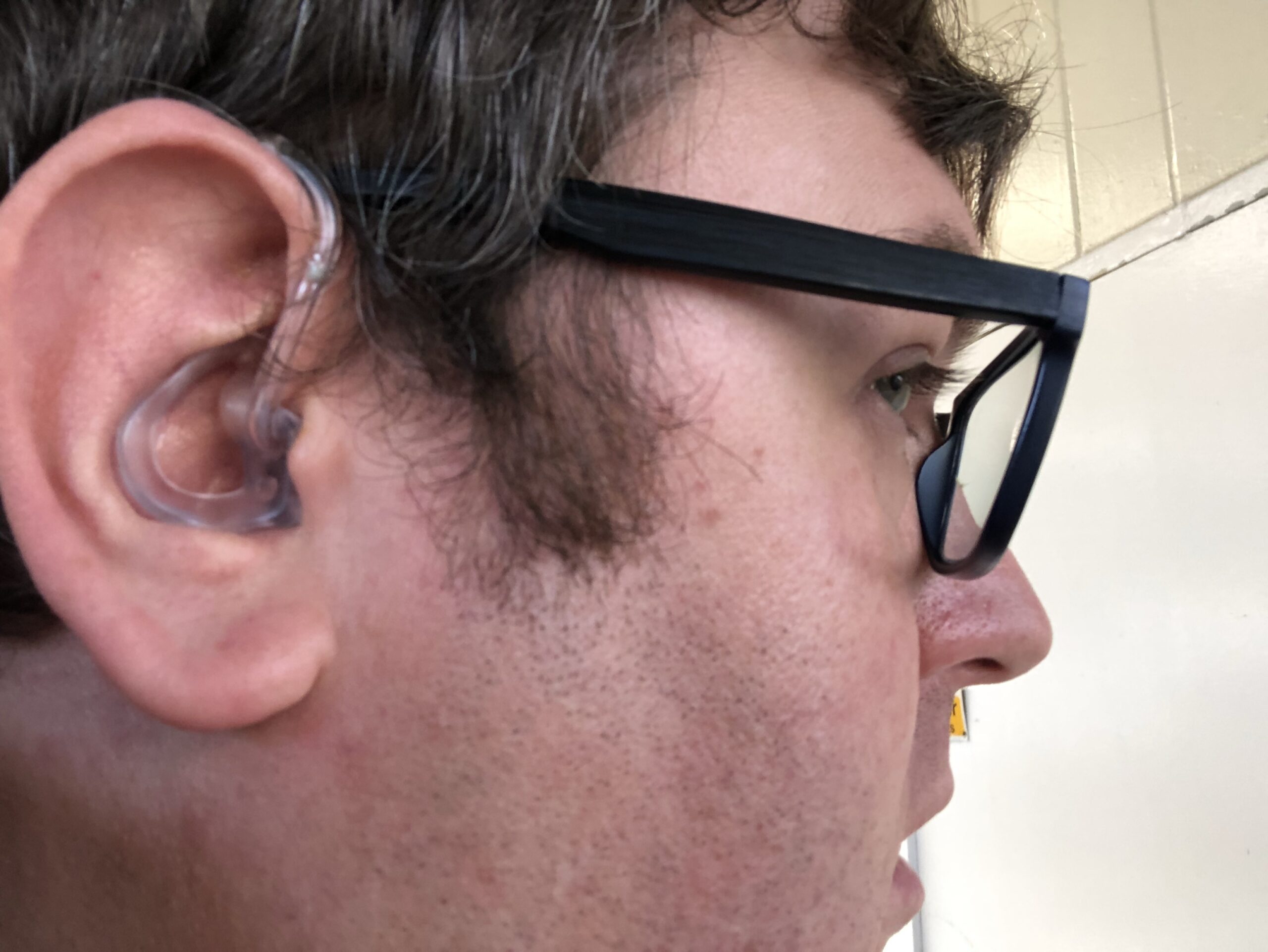
I’ve been a hearing aid user for almost two years. My hearing aids are really basic, standard issue NHS over-the-ear models. They work, and are loaded with an audio profile that amplifies the frequencies where I need the most assistance, but they’re basic. There’s no Bluetooth, and I have to take them out to use a headset. They don’t even have rechargeable batteries – my local NHS hospital has to send me packs of little button batteries every few months.
Hearing aid costs
Whilst I get them free on the NHS, were I to lose one, I would need to pay £75 for a replacement (so £150 for a pair). And that’s pretty cheap as far as hearing aids go. For context, basic hearing aids from Specsavers start at £499 a pair if bought privately. Top-of-the-range hearing aids cost closer to £3000 a pair. I guess the high prices are partly to do with the cost of being certified as medical devices and limited number of customers.
With this in mind, the £230 cost of a pair of rechargeable AirPods Pro 2 is fantastic value for money for hearing aids. Especially as they will work well with an iPhone and support Bluetooth – which is something that would otherwise cost four times as much. And, it’s a lot more accessible – it took me several months following my hearing test to get a referral via my GP to audiology, whereas these will be available to buy on the high street without any gatekeepers.
Replacing regular hearing aids
Before we get too excited, Apple’s press release notes that the hearing aid functionality will be for mild to moderate hearing loss only. That includes me at the moderate end of the hearing loss spectrum, but for people with significant or profound hearing loss, regular hearing aids will still be necessary. There will be a ‘hearing test’ feature included in iOS 18 to tune the hearing aid functionality of the AirPods Pro. However, I doubt it’ll be as accurate as an audiogram that has been produced by a qualified audiologist in a sound-proof room using professional equipment.
I also think that others will find it confusing if you’re talking to them whilst wearing AirPods. Most hearing aids are designed to be relatively discreet – the visible bits of mine are clear plastic with the electronics hidden behind my ear. Whereas it’s pretty obvious that someone is wearing AirPods.
But on the whole, I think this is a massive game changer for people with hearing loss. Having hearing aids so easily and cheaply available could help so many people. I might have to consider getting myself a pair.